Congratulations to the 2026 Recipients


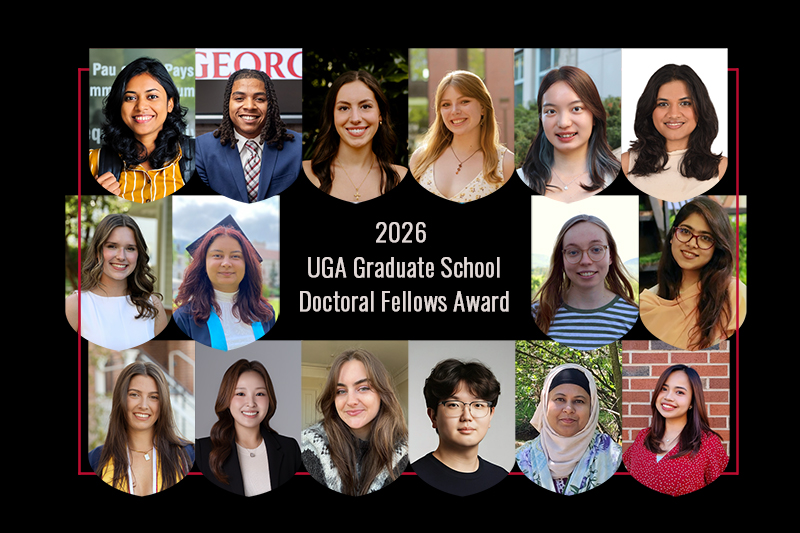
2026 UGA Graduate School Doctoral Fellows Award

Graduate School Doctoral Fellows Award

The Graduate School Doctoral Fellows Award is designed to recruit highly competitive students who will advance the research and scholarship mission of the University. Selected recipients come from various disciplines across campus.

Farzana Bashar
Department of Epidemiology and Biostatistics
College of Public Health

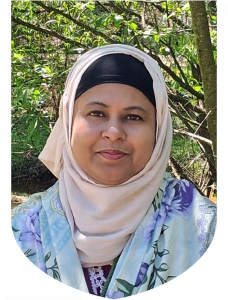
Farzana Bashar

Farzana Bashar is a doctoral student in the Department of Epidemiology and Biostatistics at the University of Georgia, working under the mentorship of Dr. Sarah C. Haight. Her research interest focuses on the intersection of non-communicable diseases and pregnancy, with the goal of improving maternal health outcomes by identifying critical gaps in health systems and developing innovative, sustainable, and evidence-based strategies to strengthen health service delivery.

Bashar has earned her medical degree, a master’s degree in public health in epidemiology, a postgraduate diploma in development planning, and an advanced diploma in sexual and reproductive health and rights. Before joining UGA, she spent more than a decade at the International Centre for Diarrhoeal Disease Research, Bangladesh, where she operated both in training and research circles.

Her research experience centers on mixed-methods studies and randomized clinical trials in the fields of universal health coverage, primary health care, access to emergency obstetric services, maternal and child nutrition, COVID-19 health system responses and AI-enabled interventions. In addition, she has been actively involved in strengthening the capacity of early- and mid-career researchers in evidence generation, synthesis, and knowledge translation to inform policy and programs.

Bashar chose UGA for its outstanding interdisciplinary research environment, distinguished faculty, and strong commitment to translating research into practice. Her long-term goal is to become an independent public health researcher and academic leader, producing high-impact, policy-relevant research that advances maternal health and promotes health equity in the global health landscape.


Won Cho
Department of International Affairs
School of Public & International Affairs

Bio info not available

Ayden Clark-Veal
Integrated Plant Sciences
College of Agricultural & Environmental Sciences

Ayden Clark-Veal

Ayden Clark-Veal is a doctoral student in the integrated plant sciences program at the University of Georgia, conducting research in Dr. Robin Buell’s lab. His research focuses on advancing genome engineering approaches for the development of climate-resilient and sustainable crops.

He graduated magna cum laude from Morehouse College with a bachelor’s degree in biology and environmental studies in 2025. Throughout his matriculation he has developed a research focus centered on addressing food insecurity and sustainable food production through plant biology, genetics, and agroecology.

Clark-Veal’s research experience bridges plant genomics, ecosystem science, and agricultural sustainability. As a SURF Fellow at the Salk Institute he investigated genetic pathways underlying plant root architecture and carbon sequestration. As a UC Berkeley Environmental Scholar for Change, he studied the impacts of dry farming on carbon storage dynamics in vineyards across California, integrating field ecology with agricultural systems research.

Currently, Clark-Veal is an NSF-funded postbaccalaureate scholar in Dr. Robin Buell Lab at the Center for Applied Genetic Technologies, where he contributes to the Minimal Plant Genome Project using CRISPR genome engineering approaches to reduce genetic redundancy and develop streamlined plant systems.

Beyond research, he has led initiatives in urban agriculture, environmental education, and student mentorship, including serving on the executive board of the Ecological Society of America SEEDS chapter at Morehouse College and as a peer tutor. Clark-Veal also co-authored The Elephant in the Room: Innerstanding the Truth of Our Existence, a philosophical and reflective work that explores consciousness, human purpose, and the nature of reality while encouraging critical thought, self-discovery, and personal transformation.

While at the University of Georgia, Clark-Veal aims to integrate genome engineering and plant–microbe interaction research to advance sustainable agriculture and climate smart crops.


Rebecca Cutforth
Odum School of Ecology

Rebecca Cutforth

Rebecca Cutforth is a doctoral student in the Odum School of Ecology, working under the guidance of Dr. Nina Wurzburger. Her research focuses on the role of root-microbe associations in post-wildfire forest-to-shrubland transitions.

Cutforth earned her bachelor’s degree from Amherst College in 2024, majoring in Biology and Environmental Studies. She was awarded Summa Cum Laude honors for her thesis project studying the effects of wildfire frequency on seedling root traits and mycorrhizal colonization in the boreal forests of central Alaska.

After graduating, Cutforth studied post-fire forest restoration as an ORISE Fellow with the USDA Forest Service Pacific Southwest Research Station. She led field research that tested climate- matched seed sourcing as a tool to prevent climate maladaptation in replanted forests. Additionally, she conducted greenhouse research studying the effects of superabsorbent polymer and mycorrhizal soil amendments on conifer seedling drought tolerance. Her undergraduate and fellowship work has resulted in multiple manuscripts and poster presentations at local and national conferences.

Cutforth is excited to continue researching wildfire ecology at UGA, acquiring the tools to coordinate large-scale research projects. She enjoys collaborating with land managers to improve the practical significance and implementation of research findings, and plans to continue working alongside academic, agency, and nonprofit partners.


Liliana DeLatte
Department of Chemistry
Franklin College of Arts and Sciences

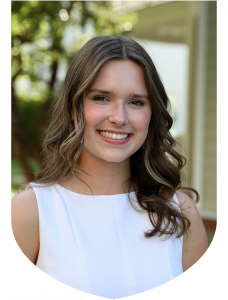
Liliana DeLatte

Liliana DeLatte is a doctoral student in the Department of Chemistry at the University of Georgia. Her intended field of study is materials and nanoscience, with a focus on polymer chemistry. She is particularly interested in developing innovative materials and exploring their applications to real-world challenges.

DeLatte earned her bachelor’s degree from Wofford College in May 2026, majoring in chemistry and French with a minor in mathematics. During her undergraduate studies, she was actively involved in community engagement and initiatives focused on making science more accessible to people from diverse backgrounds.

DeLatte’s research experiences span electrochemical solid-state battery research and heavy metal analysis in residential soils. As part of a solid-state battery research group, she contributed to the development of a novel technique for coating active material onto carbon fiber anodes with the goal of creating flexible and durable battery cells. At Wofford College, DeLatte also investigated the chemical effects of rapid urbanization on local watersheds, using chemical indicators to distinguish between sustainable and unsustainable urban development. During her senior year, she sampled residential soils from properties with historically lead-painted homes to assess relative lead bioavailability and identify patterns of contamination in residential yards.

Drawn to UGA’s welcoming and collaborative Department of Chemistry, DeLatte is excited to further her studies in polymer chemistry and materials science. She looks forward to collaborating with researchers at the New Materials Institute and expanding her understanding of emerging developments in polymer chemistry.


Emily Drexler
Department of Psychology
Franklin College of Arts and Sciences

Emily Drexler

Emily Drexler is a doctoral student in the Department of Psychology at the University of Georgia, where she studies under the mentorship of Dr. Max Herzberg. Her research focuses on the mechanisms underlying early life adversity and their long-term effects on atypical development and mental illness. She is particularly interested in understanding how stress and early adversity influence brain development through a behavioral neuroscience perspective.

Drexler grew up in Portland, Oregon, where her mom was an early elementary teacher, which initially sparked her interest in childhood development. She attended Macalester College, studying neuroscience and geography, building a strong foundation on behavioral neuroscience and the relationship between physical environment and brain development.

Before coming to UGA, Drexler has been at the University of Minnesota working on two infant neuroimaging studies with Drs. Damien Fair and Julia Moser. There, she engaged with families to collect Precision Functional Mapping data in neonates and infants. Additionally, she is trained to operate the 7-Tesla magnet with infants for the only study in the United States that collects ultra–high-field imaging data in this population.

Outside of a coordinator role, Drexler also conducted research on a proposed metric of plasticity in Resting-State fMRI data, investigating the metric’s trajectory from 0-5 years of age, which she authored a poster presentation of at the 2025 Flux Congress. Drexler is eager to join the University of Georgia to work with Dr. Herzberg, expanding her plasticity work to understand the impacts of stress and early adversity on development and longitudinal outcomes through a behavioral neuroscience lens.

After receiving her doctorate degree, Drexler aims to be a professor and continue her research with the goal of improving outcomes for children facing early adversity and atypical development.


Riddhimoy Ghosh
Department of Statistics
Franklin College of Arts and Sciences

Bio info not available

Jane Harris
Department of History
Franklin College of Arts and Sciences

Jane Harris

Jane Harris is a doctoral student in the Department of History at the University of Georgia. Her research explores the relationships between labor, heritage, environment, and memory in Appalachia and the South.

Harris earned her bachelor’s degree from Colorado College in 2022, where she majored in History and minored in Performance Design for the Theatre. At Colorado College, she was awarded the Clyde E. Augustus Duniway Award for Outstanding Student Achievement for her work within the History Department.

Harris received her master’s degree in U.S. history from the University of Cambridge in 2024. Her master’s dissertation expanded upon work started in her undergraduate senior thesis: an investigation into two coal mining disasters that occurred one-hundred years apart in her father’s West Virginian hometown. Her dissertation surveyed Appalachian mining disaster memorialization and analyzed shifts in cultural heritage in the region across the twentieth and twenty-first centuries. She has presented her work on memorialization at the Appalachian Studies Association Conference and the Cambridge History Graduate Research Conference.

Harris has spent the past two years working as an elementary educator while independently developing her research. With her work, she hopes to contribute to a more faceted understanding and diverse representation of Appalachian history within American and Southern U.S. studies.


Ashley Hernandez
Department of Sociology
Franklin College of Arts and Sciences

Bio info not available

Nailah Islam
Department of Educational Psychology
Mary Frances Early College of Education

Bio info not available

Yushu Jing
Department of Anthropology
Franklin College of Arts and Sciences

Bio info not available

Fariha Afrin Mustafa
Forest Biology
Warnell School of Forestry and Natural Resources

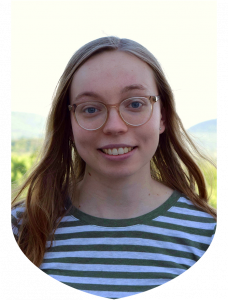
Fariha Mustafa

Fariha Afrin Mustafa is a doctoral student in forest biology at the University of Georgia, under the supervision of Dr. Daniel Markewitz.

Originally from Bangladesh, she earned both her bachelor’s and master’s degrees in botany from the University of Dhaka, where she received the Dean’s Award from the Faculty of Biological Sciences. Mustafa’s master’s research was also supported by the National Science and Technology (NST) Fellowship. These experiences sparked a lasting interest in understanding how plants, soils, and environmental change interact to shape ecosystem health.

Following her master’s degree, Mustafa worked as a research intern at the Bangladesh Council of Scientific and Industrial Research (BCSIR), where she developed an interest in environmental chemistry and analytical techniques. She later joined the Erasmus Mundus Joint Master’s Program in Environmental Contamination and Toxicology, studying in France, Norway, and Spain. This international experience exposed her to environmental challenges ranging from marine pollution to Arctic environmental contamination while providing advanced training in analytical chemistry and ecosystem science.

At the Norwegian University of Science and Technology (NTNU), Fariha’s research brought together her backgrounds in plant biology and environmental chemistry. This interdisciplinary training ultimately led her to UGA, where she was drawn to Dr. Markewitz’s research on forest soils and biogeochemistry, as well as Warnell’s internationally recognized reputation in forestry and environmental sciences.

Mustafa’s long-term goal is to advance forest resilience and sustainable ecosystem management through a deeper understanding of soil biogeochemistry and plant–soil interactions. She is honored to be a recipient of the Graduate School Doctoral Fellow Award and grateful for the support it provides.


Anika Tahsin Odri
College of Environment and Design

Anika Odri

Anika Tahsin Odri is a doctoral student in environmental design and planning at the University of Georgia, studying under Dr. Zhongzhe Shen. Her research interests include environmental planning, urban sustainability, and the application of geospatial technologies in environmental decision-making.

Odri earned both her bachelor’s and master’s degrees in geography and environment from Jahangirnagar University, Bangladesh. During her undergraduate and graduate studies, Odri’s interest in environmental planning grew through extensive field visits to diverse landscapes and communities, where she observed the intricate relationships between people and the environment.These experiences inspired her commitment to advancing sustainable and climate-resilient development.

She presented her thesis at an international conference in Trieste, Italy. As a fully funded participant, this experience strengthened her passion for research and international collaboration. She began her professional career as a lecturer, where she enjoyed teaching scientific concepts and leading field-based learning experiences that connect theory with practice.

While exploring doctoral programs, Odri sought one that combined environmental planning with a strong emphasis on human-environment interactions. She found that the University of Georgia’s College of Environment and Design is among the few that place environmental planning at the core of its interdisciplinary mission.

Odri hopes that her doctoral education will not only enhance her confidence and environmental planning but also provide opportunities to apply her knowledge in meaningful ways. As an educator at heart, Odri looks forward to bringing these experiences back to the classroom and inspiring students through innovative teaching and field-based learning.


Ga Hyun Park
Department of Political Science
School of Public and International Affairs

Ga Hyun Park

Ga Hyun Park is a doctoral student in the Department of Political Science at the University of Georgia. Her research interests lie at the intersection of American politics, political psychology, and voter behavior, with a specific focus on affective polarization. Park’s doctoral research focuses on developing a political-psychology framework to explain how short-term affective pressures and elite cues lead citizens to rationalize and tolerate democratic backsliding.

Park’s academic path is driven by a long-standing interest in voter behavior, institutional politics, and political psychology. This focus began during her undergraduate years at Sookmyung Women’s University, where she earned first place in the Korea College Model Parliament Competition. She further advanced this trajectory during her master’s program at Seoul National University, examining how normative and political conflicts translate into institutional questions.

Following her master’s degree, Park expanded her empirical skills as a researcher at the Korean Women’s Development Institute (KWDI), conducting quantitative analyses for national policy projects. Throughout her research journey, she has treated data analysis and qualitative insights not as competing tracks, but as complementary pillars for analyzing political choice.

Park chose UGA for its concentrated faculty strength in political psychology and public opinion, which offers an ideal environment to investigate the cognitive micro-foundations of political behavior. She intends to deepen her training in rigorous quantitative methodologies and psychological mechanisms while at UGA.

Looking ahead, she aims to contribute conceptually rigorous and publishable research on contemporary democratic stability.


Abby Pearse
Odum School of Ecology

Abby Pearse

Abby Pearse is a doctoral student in the Odum School of Ecology at the University of Georgia. Under the advisement of Dr. Megan Vahsen, she is interested in studying evolutionary responses in marsh plants across ranging environmental conditions strongly correlated with global change.

Pearse was raised in Kent Island, Maryland, where she was constantly interacting with marshes and the natural world around her. She was inspired to pursue a degree that combined her passion for ecology with her interest in computational work, where she ultimately graduated with an honors bachelor’s degree in bioinformatics from the University of Arizona in 2026.

Her research at the University of Arizona focused on the evolutionary transition of mating systems in invasive yellow starthistle and the genomic changes on a spatiotemporal scale of invasive Lygodium japonicum across the southeast United States. She was awarded first place in advanced original research at the University of Arizona Department of Ecology and Evolutionary Biology poster conference in 2026. In addition to her ecological research, she was a lead student instructor for introductory Python courses aimed to improve computational skills and data literacy in undergraduate students.

During her time at UGA, Pearse is excited to continue both her research and teaching. She is eager to contribute novel ecological research while encouraging students to follow their scientific interests and passions.


Aniela Santoso
Department of Human Development and Family Science
College of Family and Consumer Sciences

Aniela Santoso

Aniela Santoso is a doctoral student in the human development and family science program at the University of Georgia, under the mentorship of Major Professor Dr. Elizabeth Wieling. With an emphasis in couple and family therapy, her research interests focus on the intersection of traumatic stress, grief, parenting, and the intergenerational transmission of family dynamics among immigrant, refugee, and historically oppressed communities. She is particularly interested in culturally responsive interventions that center families’ cultural and relational strengths while addressing systemic barriers to mental health care.

Santoso earned bachelor’s degrees in psychology and music from Brigham Young University Hawaii and a master’s degree in marriage and family therapy from Oklahoma State University. Across her academic, research, teaching, and clinical experiences, she has developed a strong foundation in critical thinking, cultural humility, and integrating scientific research with clinical practice. Her research experience includes working with Chinese American immigrant parent-youth dyads, while her clinical work has focused on families affected by trauma and grief.

She was drawn to UGA’s integration of research, clinical practice, and social justice, and is excited to pursue doctoral training with Dr. Wieling. Wieling’s research on traumatic stress, parenting, global mental health, and culturally responsive interventions closely aligns with Santoso’s goals. At UGA, she plans to build on her previous research and clinical experiences by culturally adapting and disseminating evidence-based parenting and family interventions for diverse communities.

Santoso received Merit and Talent Award scholarships throughout her eight semesters of undergraduate study and is honored to receive the Graduate School Doctoral Fellow Award at UGA. After completing her doctorate, she aspires to become a Couple and Family Therapy faculty member, researcher, and AAMFT-approved supervisor, preparing culturally responsive therapists and advancing interventions that support the well-being of diverse families.


Prakriti Shah
College of Engineering

Prakriti Shah

Prakriti Shah is a doctoral student in the College of Engineering, working under the supervision of Drs. Hitesh Handa and Eduardo Silva. Her research interests lie at the intersection of biomaterials, translational biomedical engineering, and regenerative tissue engineering.

Shah has recently completed her undergraduate degree in engineering, majoring in Biotechnology from Vellore Institute of Technology, India. Her undergraduate thesis work involved surface modifications of titanium alloys for sustained antibiotic release in long-term bone implants, with the goal of improving long-term implant performance and reducing implant-associated infections.

During her undergraduate studies, Shah developed zinc-based nanoemulsions and evaluated their antibacterial efficacy for potential applications in medical device coatings. She also contributed to the design and optimisation of biomimetic trabecular bone structures for orthopaedic implants, including acetabular cup designs for total hip replacement systems.

Her research is driven by an interest in applying engineering principles to emulate and enhance natural biological processes. Dr. Handa and Dr. Silva’s research in clinical bioengineering aligns with her goals of advancing interdisciplinary science to solve real- world medical problems.

Through her graduate studies, Shah aims to contribute to the development of technology that can improve clinical outcomes and facilitate the translation of scientific discoveries from the laboratory to real-world healthcare applications.


Feifan (Phil) Shan
Louise McBee Institute of Higher Education

Feifan Phil Shan

Feifan (Phil) Shan is a doctoral student in the Louise McBee Institute of Higher Education at the University of Georgia. His research applies quantitative and mixed-methods approaches to examine how higher education policies and institutional structures shape college access and student success.

Informed by academic experiences across the United States, China, Japan, and South Korea, Shan’s research also explores key areas in international higher education, including transnational education, regulation and governance, and academic mobility. Before joining UGA, Phil earned a bachelor’s degree in philosophy and a master’s degree in higher education.

Shan gained professional experience across both the K–12 and higher education sectors, including local education administration, executive education, university advancement and alumni relations, and nonprofit-led educational inclusion initiatives. He plans to pursue a career in academia, conducting policy-relevant research that informs institutional decision-making and advances educational equity.


Sophie Slyman
Department of Psychology
Franklin College of Arts and Sciences

Sophie Slyman

Sophie Slyman is a doctoral student in the Department of Psychology at the University of Georgia. Under the mentorship of Dr. Lawrence Sweet, she aims to study how neurodegenerative disorders, such as Alzheimer’s disease, and behavioral risk factors lead to the development of medical comorbidities and how these comorbidities can exacerbate and accelerate disease pathology.

Slyman earned her bachelor’s degree in psychology with an emphasis in neuroscience and a minor in gerontology from the University of Georgia, graduating summa cum laude in May 2024. After graduating she went on to expand her research experience working at the Research Program on Cognition and Neuromodulation Based Interventions (RP-CNBI) at the University of Michigan. In her time at the RP-CNBI, Slyman worked with a large population of participants including those with Alzheimer’s disease, Parkinson’s disease, behavioral variant frontotemporal dementia, and posterior cortical atrophy. She was able to work on many different projects, most notably a study aimed comparing a traditional demographic-based normative dataset to a new biomarker-controlled normative dataset for a comprehensive neuropsychological battery.

At the University of Georgia, Slyman hopes to continue building her research and clinical experience focusing on aging populations and contribute to the field of clinical psychology.


Christina Tsai
Integrated Plant Sciences

Bio info not available

Eda Yırtıcı
Department of Mathematics
Mary Frances Early College of Education

Eda Yirtici

Eda Yırtıcı is a doctoral student in the Department of Mathematics at the University of Georgia. Her research focuses on mathematics and statistics education, with a specific interest in probability, and decision-making under uncertainty.

Yırtıcı earned her master’s degree in mathematics and science education from Boğaziçi University, where her studies focused on risk literacy in mathematics education and the construction of risk literacy personas for preservice teachers.

Alongside her academic work, Yırtıcı brings a strong practical background to her research. She has worked as a mathematics teacher for three years and gained valuable industry experience working at an educational technology company for another three years. This unique blend of classroom teaching and ed-tech experience deeply informs her perspective on how complex mathematical concepts are taught and learned.

Dedicated to advancing educational research, she actively utilizes analytical tools such as R and SPSS to support her quantitative studies. Yırtıcı is excited to join the vibrant academic environment at UGA. During her doctoral studies, she aims to further explore probability and statistics education, ultimately contributing to the development of effective instructional strategies that empower future mathematics educators.


Haoyu Zeng
Louise McBee Institute of Higher Education

Haoyu Zeng

Haoyu Zeng is a doctoral student in the Louise McBee Institute of Higher Education at the University of Georgia, where she works under the guidance of Dr. Amy Stich. Her research examines how socioeconomic status shapes students’ access to educational resources and opportunities, particularly in online learning environments. Using mixed methods approaches, she investigates how individual and institutional factors influence educational access, student success, and post-graduation outcomes.

Zeng earned dual bachelor’s degrees in International Studies and Sociology, with a minor in Political Science, from The Ohio State University in 2023. She received her master’s degree in Higher Education Administration and Policy from Northwestern University in 2024. Her master’s thesis explored pre-health students’ perceptions, motivations, and ethical decision-making regarding the use of generative AI in coursework and graduate school applications. Building on this work, she intends to continue to explore how emerging technologies and social inequalities intersect to shape student experiences and outcomes in higher education.

She chose the University of Georgia because of the Louise McBee Institute of Higher Education’s strong academic foundation and interdisciplinary culture. The opportunity to work with Dr. Amy Stich, whose scholarship aligns closely with her interests in social stratification and educational opportunity, made the University of Georgia an ideal environment for her doctoral training.

Zeng plans to work in a university administrative role with leadership responsibilities. She is particularly interested in designing, implementing, and assessing programs that improve access and outcomes for students from diverse backgrounds. By combining research and practice, she hopes to use data-informed approaches to support student success and help institutions create more effective and equitable educational environments.


2025 Recipients

Aidan Bobholz
Institute of Plant Breeding, Genetics, and Genomics, College of Agricultural & Environmental Sciences

Ella Brodowski
Warnell School of Forestry and Natural Resources

Lizhi Deng
College of Engineering

Huawei Huang
Louise McBee Institute of Higher Education

Dylan Khan
Department of Kinesiology, Mary Frances Early College of Education

Khalia McClure
Integrated Life Sciences, Franklin College of Arts and Sciences

Robbyn McKellop
Department of Anthropology, Franklin College of Arts and Sciences

Yejin Park
Department of Human Development and Family Science, College of Family and Consumer Sciences

Matthew Powell
Department of History, Franklin College of Arts and Sciences

Bella Salter
Department of Statistics, Franklin College of Arts and Sciences

Zeliang Sun
Department of Epidemiology & Biostatistics, College of Public Health

Aiyana Thomas
Department of Anthropology, Franklin College of Arts and Sciences

Yun Zhang
Department of Educational Psychology, Mary Frances Early College of Education


2024 Recipients

Hudson Barthes
Department of Psychology, Franklin College of Arts and Sciences

Dilan Bat-haee
Department of History, Franklin College of Arts and Sciences

Hannah Boone
Department of Anthropology, Franklin College of Arts and Sciences

Michael Brennan
Warnell School of Forestry and Natural Resources

Jimmie Brown
Department of History, Franklin College of Arts and Sciences

Nastaran Dakhem
School of Electrical and Computer Engineering, College of Engineering

Elifnaz Erturen
School of Chemical, Materials, and Biomedical Engineering, College of Engineering

Lia Follet
Department of Psychology, Franklin College of Arts and Sciences

Saumya Gade
Department of Biomedical Sciences, College of Veterinary Medicine

Kathryn Harmeyer
Department of Human Development and Family Sciences, College of Family and Consumer Sciences

Sophie Kim
Department of Journalism and Mass Communication, Grady College of Journalism and Mass Communication

Sarah Kingsley
Department of Political Science, School of Public & International Affairs

Morgan Harper Nichols
Department of Communication Studies, Franklin College of Arts and Sciences

Noh-Won Park
Department of Educational Psychology, Mary Frances Early College of Education

Hannah Petronek
Department of Forest Biology, Warnell School of Forestry and Natural Resources

Roshaye Poleon
Department of Human Development and Family Sciences, College of Family and Consumer Sciences

Jolssen Rodriguez
Louise McBee Institute of Higher Education

Tamara Nur Sezer
Department of Sociology, Franklin College of Arts and Sciences

Victoria Lane Silva
Department of Romance Languages – Portuguese, Franklin College of Arts and Sciences

Jesús Omar Sistos Barron
Department of Mathematics, Franklin College of Arts and Sciences

Maria Tislenko
Department of Political Science, School of Public & International Affairs

Nikki Hejia Zhang
Department of Marine Sciences, Franklin College of Arts and Sciences

2023 Recipients

Ayse Hilal Avci
Gifted and Creative Education Ph.D. Program, Department of Educational Psychology, Mary Frances Early College of Education

Makenna Burslie
Integrated Life Sciences, Franklin College of Arts and Sciences

Anna Grace Bushong
Ecology, Odum School of Ecology

Nishtha Chauhan
Biomedical Engineering, College of Engineering, Franklin College of Arts and Sciences

Ghazal Darougheh Daftar Owen
Department of Mathematics, Franklin College of Arts and Sciences

Lauren Gingerella
Forestry and Natural Resources, Warnell School Forestry and Natural Resources

Gabriela Greilinger
International Affairs, School of Public and International Studies

Kaili Gregory
Integrative Conservation, Warnell School of Forestry and Natural Resources

Rachel Hill
Institute of Plant Breeding, Genetics, and Genomics, College of Agricultural and Environmental Sciences

Tarikul Islam
Polymers, Fiber, and Textile Sciences, College of Family and Consumer Sciences

Zara Jilani
Department of Sociology, Franklin College of Arts and Sciences

Jaesung Lee
Social Work, School of Social Work

Ananya Malik
Higher Education, Louise McBee Institute of Higher Education

Jennifer McCann
Integrative Life Sciences, Franklin College of Arts and Sciences

Jordan Parker
Veterinary Scientist Training Program, Comparative Biomedical Sciences, College of Veterinary Medicine

Ernie Ramos
Department of Statistics, Franklin College of Arts and Sciences

Matty Ray
Department of Communication Studies, Franklin College of Arts and Sciences

Sahar Saadat
Department of Entertainment and Media Studies, Grady College of Journalism & Mass Communication

Christopher Edgardo Padilla Sandoval
Department of Mathematics, Mary Frances Early College of Education

Brittany Shivers
Journalism, Grady College of Journalism & Mass Communication

Amit Talukder
Textiles, Merchandising and Interiors, College of Family and Consumer Sciences

Christopher Washburn
Department of Linguistics, Franklin College of Arts and Sciences

Jack Wood
Communication Studies, Franklin College of Arts and Sciences


Unlocking potential. Building futures.

Apply Today