


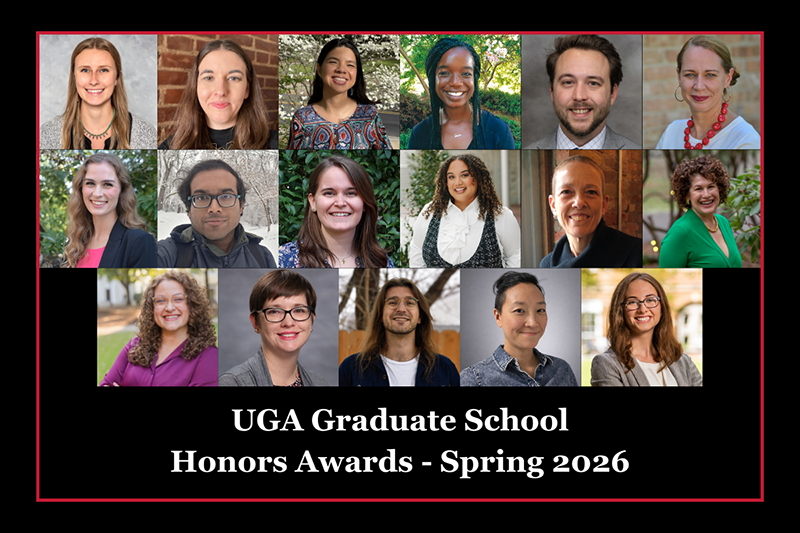
As a part of UGA’s Honors Week, at the Graduate School Honors Luncheon* on Thursday, April 2, we will celebrate recipients of the awards for Excellence in Teaching and Research by Graduate Students, Outstanding Graduate Mentoring, and the Dean’s Award for Outstanding Contributions to Graduate Education.
Please join the Graduate School in congratulating these exemplary students, faculty, and staff for their contributions to excellence in graduate education at UGA.
*invitation only
EXCELLENCE IN TEACHING AWARD
The Excellence in Teaching Award was established by the Graduate School in partnership with the Center for Teaching and Learning and the UGA Teaching Academy to recognize graduate students who have demonstrated superior teaching skills and innovations and who have made significant contribution to the instructional mission of the University.
 Abigail Cormier
Economics, Terry College of Business
Abigail Cormier is a Ph.D. candidate in economics, advised by Dr. Meghan Skira. Her research lies at the intersection of health and labor economics.
In her dissertation, Cormier examines how health shocks and disruptions in healthcare access affect individuals, families, and communities. She employs quasi-experimental methods to identify causal effects on health and economic outcomes. Her job market paper examines the causal impact of having a first-born child with special needs on parental labor market outcomes and subsequent family formation in the United States.
Cormier has been a core member of the development team for the course “Introduction to Data Science for Business and Economics” since UGA started offering it in Spring 2022. In Spring 2025, she served as the Instructor of Record for the course. This course is required for all economics majors and serves as a pathway into the Master of Science in Business Analytics program. Cormier also participated in the Future Faculty Fellows Program, where she developed her teaching practice and contributed by leading TA Cafés and speaking at TA Orientation.
In Fall 2026, Cormier will join the faculty at Idaho State University as a tenure-track assistant professor of economics. There, she will continue her research in health and labor economics and redesign the Data Analytics course for the College of Business.
 Karlee Kimbrell
Political Science, School of Public and International Affairs
Karlee Kimbrell is a Ph.D. candidate in American Politics, specializing in American political behavior, race and ethnicity politics, public opinion, and representation. She is advised by Dr. Geoffrey Sheaghly.
As a first-generation college graduate from South Bend, Indiana, her path through higher education shaped her commitment to creating inclusive learning environments where all students can thrive. Her teaching philosophy centers on empowering students to become active participants in political processes rather than passive observers. She prioritizes creating inclusive learning communities where various perspectives are essential to collective growth. In her classroom, students collaboratively establish class norms and expectations, ensuring everyone feels empowered to show up authentically. She embraces interdisciplinary methods, drawing connections across sociology, economics, law, history, and philosophy to help students develop nuanced understanding of political phenomena. Her teaching enlivens theory through structured debates where students research and defend complex positions, examining multiple stakeholder perspectives and real-world implications.
As the first Chief Officer of the School of Public and International Affairs Graduate Student Association, Kimbrell created essential communication channels between students and administration. She received the 2025 SPIA Graduate Student Excellence in Teaching Award, and she pursued further pedagogical development through her involvement in the 2025 Future Faculty Fellowship and Certificate in Interdisciplinary University Teaching. Ultimately, she views her position in the classroom as equipping students with both robust understanding of political institutions and the transformative skills needed for meaningful civic engagement beyond the classroom.
 Taylor Elijah Martin
Physiology and Pharmacology, College of Veterinary Medicine
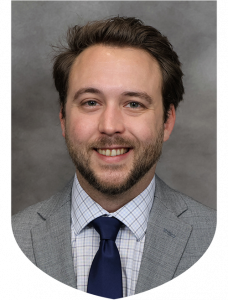
Taylor Elijah Martin is a Ph.D. candidate, advised by Dr. Xiaoqin Ye. His dissertation research focuses on understanding how hormonal signaling in the uterus is essential for female fertility.
Martin graduated from University of Georgia in 2021 with a degree in biochemistry and molecular biology. Shortly thereafter, he began his Ph.D. at UGA where he began serving as a graduate teaching assistant within the Department of Physiology and Pharmacology. His contributions to teaching in the undergraduate Biomedical Physiology program include serving as one of the first graduate teaching assistants for the Integrative Physiology lab course during a time of major growth for the program. He was also the first graduate student to serve as instructor of record in the department’s history.
In addition to classroom teaching, Martin has supervised Peer Learning Assistants and supported the mentorship of 3 high school students, 13 CURO undergraduate students, 12 MS students, 1 DVM student, and 3 junior PhD students in the lab. Martin has been privileged with teaching and mentoring many students, building lasting relationships with faculty, and bolstering his teaching skills and portfolio. Following his Ph.D., Martin plans to pursue a post-doctoral research position.
 Riley Thoen
Plant Biology, Franklin College of Arts and Sciences
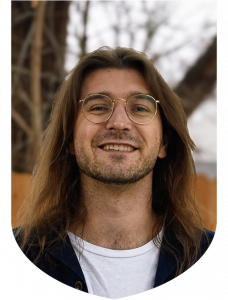
Riley Thoen is a Ph.D. candidate whose research focuses on disentangling the ecological and evolutionary consequences of environmental disturbance for the purpose of informing rare species conservation. In his dissertation research, advised by Dr. Megan DeMarche, he has found significant consequences of drought and warming on a classic Georgia species, Porter’s sunflower, also known as Stone Mountain daisy.
At UGA, Thoen has taught Biology and Plant Ecology labs and served as a Writing Intensive Program TA for students in the Division of Biological Sciences performing independent biology research projects. His contributions as a WIP TA included creating writing workshops focused on the scientific writing process and editing over 500 journal-format research papers written by undergraduate researchers. He innovated an upper division Plant Biology course, Flowers, to incorporate principles of active learning, writing, and science communication. Thoen has further supported writing at UGA as a managing editor and reviewer for The Classic Journal and an editor and author for the Athens Science Observer. Thoen’s career goals are to teach ecology, evolution, and biological statistics, run a plant conservation research lab, and grow the Writing Intensive Program at a primarily undergraduate institution. In his free time, Thoen likes to bring treats to the dog park so he can earn the title of “most popular human at the dog park.”
 Saja Yim
Art Education, Lamar Dodd School of Art
Saja Yim is a Ph.D. candidate in art education, advised by Dr. Mira Kallio-Tavih. Her research centers on increasing representation in children’s books through bookmaking as an arts-based and critical pedagogical practice. Drawing on queer and feminist perspectives, she examines how the material and conceptual processes of handmade bookmaking can challenge dominant narratives in children’s media and visual culture, particularly those that marginalize the experiences of underserved populations. She is especially interested in how bookmaking empowers children to author their own stories and represent their lived experiences through multimodal learning.
Yim also earned her B.A. in Studio Art and an M.Ed. in Educational Psychology with an emphasis in Gifted and Creative Education at the University of Georgia. Her interdisciplinary academic background bridges studio practice, critical theory, and educational research, informing a teaching philosophy grounded in creativity, equity, and student-centered learning. She has taught across a wide range of educational contexts, including inner-city public schools, undergraduate courses, and graduate-level seminars, experiences that have shaped her commitment to responsive and participatory pedagogy.
In addition to her scholarly work, Yim is deeply invested in teaching both within and beyond university settings, including museum education, after-school and summer camp programming, and interdisciplinary collaborations with community partners. With a commitment to social justice, her teaching practice emphasizes diverse representation and access within arts education. Through this work, she seeks to expand inclusive, creative learning opportunities for children and adults while advocating for the arts as a vital site for critical inquiry, identity formation, and social transformation.
EXCELLENCE IN RESEARCH AWARD
The Excellence in Research Award was established by the Graduate School in 1999 to recognize the quality and significance of graduate student scholarship. Students who graduated the previous year are nominated by their departments in one of five areas: Fine Arts and Humanities, Social and Behavioral Sciences, Life Sciences, Mathematics and Physical Sciences, and Professional and Applied Studies.
 S. Jack Hu Family Excellence in Social and Behavioral Sciences Doctoral Research Award
Olutosin (Tosin) Adesogan
Psychology, Franklin College of Arts and Sciences
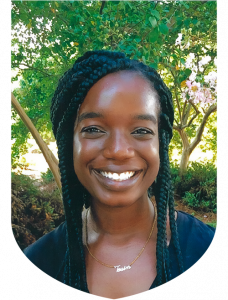
Olutosin (Tosin) Adesogan is a Postdoctoral Fellow in the Child and Adolescent Anxiety and Mood Program at the University of North Carolina (UNC) School of Medicine. She recently received her Ph.D. in Clinical Psychology at the University of Georgia, under the direction of Dr. Justin Lavner, after completing her doctoral internship in Child and Pediatric Psychology at the University of Chicago Medicine.
Dr. Adesogan’s program of research uses multidimensional approaches to understand and promote the mental and physical health of Black Americans.
Her research at UGA focused on examining the negative effects of stressors driven by systemic racism (e.g., financial strain, increased exposure to COVID-related stress) and the positive effects of sources of strength and support (e.g., religiosity, community support) among Black populations. Dr. Adesogan’s work was supported in part by UGA’s Graduate Research Fellowship and a Diversity Supplement from the National Institute on Aging, allowing her to pursue additional training in public health and advanced quantitative methods. This work resulted in ten peer-reviewed publications in top-tier clinical psychology journals. Prior to attending UGA, Dr. Adesogan received her B.S. in Psychology with a minor in Health Disparities in Society from the University of Florida.
At UNC, Dr. Adesogan is expanding her program of research by using multimodal, community-engaged approaches to examine suicide risk pathways among Black youth, an understudied group for whom rates of suicide death are surging. Ultimately, Dr. Adesogan’s goal is to continue to advance health equity and promote positive well-being among Black individuals, families, and Communities.
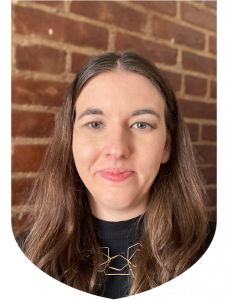 Ron and Yvette Walcott Excellence in Fine Arts and Humanities Doctoral Research Award
Tracy L. Barnett
History, Franklin College of Arts and Sciences
Tracy L. Barnett is a visiting assistant professor of history at Old Dominion University in Norfolk, Virginia. In May 2025, she earned her Ph.D. in American History from the University of Georgia, working under the direction of major professor Dr. Stephen Mihm. Currently working to transform her dissertation into a book manuscript, her project analyzes the historic origins of America’s gun culture and its mutually constitutive relationship with white supremacist ideology.
Over the course of the nineteenth-century, American manufacturers perfected the act of mass-producing technologically-advanced firearms. At first, guns functioned as one tool—among many tools—of demonstrating white power and extracting labor from enslaved people. Seeking to sell surplus firearms after the Civil War, northeastern gun manufacturers deliberately marketed their weaponry to white southern civilians during the 1860s and 1870s. This time, guns emerged as the key tool used to terrorize Black Americans and overthrow Reconstruction policies. Requiring extensive archival research, this project has been supported with fellowships and grants from the UGA Graduate School, UGA Department of History, Smithsonian Institution, American Historical Association, Boston Athenæum, Winterthur Library, Hagley Museum and Library, University of Virginia, University of North Carolina at Chapel Hill, and other institutions.
Dr. Barnett’s academic scholarship has been published in Civil War History, the Georgia Historical Quarterly, and The Washington Post. In addition, she has worked on various digital and public history projects and regularly contributes a quarterly column on nineteenth-century language to the Civil War Monitor, a popular magazine devoted to the Civil War Era.
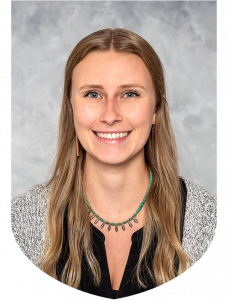 Excellence in Professional and Applied Studies Doctoral Research Award
Corinna Hazelrig
Population Health, College of Veterinary Medicine
Corinna Hazelrig is a DVM–Ph.D. student who completed her Ph.D. in Comparative Biomedical Sciences in 2025 under the mentorship of Dr. Nicole Nemeth in the Southeastern Cooperative Wildlife Disease Study. Her dissertation research focused on the health of free-ranging snakes in the southeastern United States through risk-factor analyses of multipathogen detection, including coinfection dynamics associated with the fungal disease ophidiomycosis.
Using a multidisciplinary approach that integrated pathology, hematology, ecology, epidemiology, and molecular biology, she identified key pathological trends, documented novel pathogen detections in wild snakes, and characterized risk factors used to inform conservation management strategies. To support her doctoral research, Dr. Hazelrig was awarded numerous competitive research grants. In parallel with her dissertation, she has published multiple peer-reviewed journal articles and received several awards for graduate student research presentations. Dr. Hazelrig is currently completing the DVM portion of her dual-degree program, with an anticipated graduation date of May 2029.
Following graduation, she plans to pursue advanced training through a Zoological Medicine residency and ultimately work as a zoo veterinarian specializing in reptile medicine, while continuing research that advances wildlife conservation. Her long-term goal is to make a global impact by improving medical care and disease management in wildlife, thereby contributing to the conservation and sustainability of the planet’s ecological resources. She would like to thank Dr. Nemeth for her exceptional mentorship and unwavering support throughout her training.
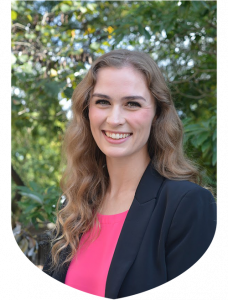 Excellence in Life Sciences Doctoral Research Award
Taylor Medlock Lanier
Cellular Biology, Franklin College of Arts and Sciences
Taylor Medlock Lanier is a Rita Levi-Montalcini Postdoctoral Fellow in the Developmental Biology Department and the Center of Regenerative Medicine, at Washington University in St. Louis. There, her research centers on developing zebrafish as a model for studying Amyotrophic Lateral Sclerosis (ALS). Dr. Lanier aims to identify neuro-protective signals, informing future treatments to prevent the degeneration of motor neurons. Dr. Lanier earned her Ph.D. in Cellular Biology at the University of Georgia in Fall 2025, under the mentorship of Dr. Rachel Roberts-Galbraith.
While at UGA, Dr. Lanier utilized planarian flatworms to understand successful nervous system regeneration, with a focus on dopaminergic neurons. Dr. Lanier characterized six transcription factor-encoding genes required for regeneration and maintenance of dopaminergic neurons through combinatorial mechanisms. At UGA, Dr. Lanier received a Fechheimer and Furukawa Travel Award and a Summer Research Grant. She also completed the Advanced Techniques in Molecular Neuroscience Course at Cold Spring Harbor Laboratory and presented her research at a Gordon Conference on Cell Biology of the Neuron.
Dr. Lanier was also a skilled instructor, mentor, and leader while at UGA. She played leadership roles in the Cellular Biology and Developmental Biology Graduate Student Associations. She was invited to speak at the ribbon cutting of Cedar Street Building C, attended by Governor Kemp. In recognition of excellence in teaching, Dr. Lanier received the Outstanding Teaching Assistant Award and served on the Leadership Team for Anatomy and Physiology teaching assistants. Dr. Lanier also participated in the selective Future Faculty Fellows Program through the Center for Teaching and Learning.
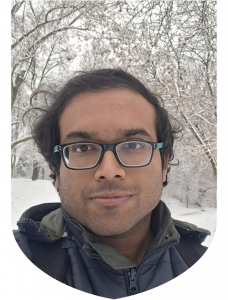 Excellence Mathematical and Physical Sciences Doctoral Research Award
Akash Singha Roy
Mathematics, Franklin College of Arts and Sciences
Akash Singha Roy is a Postdoctoral Researcher at Charles University (Univerzita Karlova) in Prague. He completed his Ph.D. at the University of Georgia, advised by Professor Paul Pollack.
His research is in analytic number theory, a field that uses tools from the continuous world—such as analysis and probability—to study discrete objects (the integers). Two central objects in this area are primes (numbers divisible only by 1 and themselves) and multiplicative functions (sequences which behave predictably with respect to multiplication), and the study of connections between them often reveals deep, unexpected structure underlying the integers.
Although primes appear random, a classical result shows that they are evenly distributed among simple arithmetic patterns, and this remains reliably true no matter how far out one looks. In a series of joint papers with his advisor and further solo papers, Dr. Singha Roy established some of the first analogues of such results for multiplicative functions, which are also essentially optimal. They drew on ideas from multiple sub-fields of number theory, along with several other areas of mathematics, including probability, linear algebra, and algebraic geometry. The methods they developed also have potential applications to other problems.
A related focus of his research concerns mean values of multiplicative functions. Results in this general area are fundamental tools in turning randomness into structure and making progress on long-standing open problems. Some of Dr. Singha Roy’s works bridge gaps between precision and uniformity in existing literature, while another work extends one of the most powerful known results in this area, giving new applications previously out of reach.
Dr. Singha Roy has also worked on problems related to Benford’s Law, the anatomy of integers, and value distributions of arithmetic functions. He completed sixteen manuscripts by the end of his Ph.D., twelve of which have been published so far.
ENGAGED SCHOLARSHIP AWARD
The Engaged Scholarship Award recognizes extraordinary, community-engaged scholarship and public service by graduate students, such as endeavors that advance the public service, outreach, and engagement mission at UGA. This award was established by the Graduate School in collaboration with UGA Public Service and Outreach and the Office of Service-Learning. Recipients are selected by a committee drawn from Public Service and Outreach-affiliated administrators and graduate faculty.
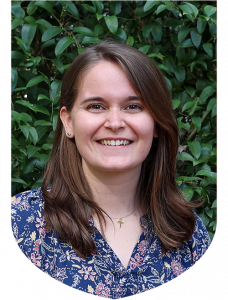 Taylor Pearson
Population Health, College of Veterinary Medicine
Taylor Pearson is a Ph.D. candidate and a Wormsloe Fellow, with Drs. Michael Yabsley and Christopher Cleveland as major advisors. Her dissertation research focuses on ticks and tick-borne pathogens along the Georgia coastline. Working with the Southeastern Cooperative Wildlife Disease Study (SCWDS), Pearson conducts research in 22 coastal counties, targeting field sites in inland wiregrass communities and in maritime forests on Georgia’s barrier islands. From raccoons, opossums, and squirrels to eastern glass lizards, broad-headed skinks, and white-tailed deer, Pearson works with various wildlife species to collect ticks throughout the coastal plains.
Pearson graduated from the University of Georgia with a B.S.E.S. in Entomology and a B.S. in Applied Biotechnology. She leads “Tick Talks with Tick Taylor” in elementary classrooms and youth engagement camps across the state to promote tick safety with outdoor explorers of all ages. Pearson also facilitates discussions with local medical, veterinary, and military professionals, creating partnerships with various community members to increase awareness of ticks and the importance of tick-borne pathogens along Georgia’s coastline. Participants in these educational outreach sessions walk away with a better understanding of how to protect themselves, their family members, and their pets from tick-borne illnesses. By starting tick safety conversations early and with active learning that encourages remembering what ticks are, where they are found, and why they pose a risk, Pearson’s hope is that community members will be better prepared for and safe from tick exposures during their time outdoors.
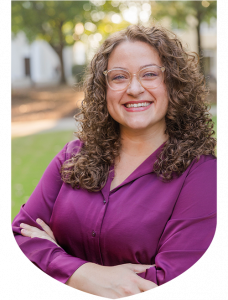 Kellsie Prather
Human Development and Family Science, College of Family and Consumer Sciences
Kellsie Prather is a doctoral candidate, advised by Drs. Niyantri Ravindran and Elizabeth Wieling. She holds a bachelor’s degree in early childhood education and a master’s degree in reading education from Ohio University and has taught in both public and homeschool settings. Her research and public service focus on parenting, family processes, and child development in rural and under-resourced communities, with an emphasis on working alongside families as experts in their own lives and grounding research and outreach in community realities.
As a first-generation college student from rural Appalachia, Prather draws on her teaching experiences to shape her commitment to family-centered, community-responsive work. These experiences inform both why and how she engages with families and communities, prioritizing access, trust, and relationship-building. Through partnership with Extension Specialist Dr. Diane Bales, Prather has supported the adaptation and implementation of the Block Party, a community-based early childhood outreach program. This work centers on adapting the program to local community needs while creating welcoming, play-based spaces that support informal learning and connection among parents and children. This work was supported by the FACS Don Bower Extension Experience Fund and contributed to Prather’s completion of the Graduate Portfolio in Community Engagement, awarded by the Office of Service-Learning.
In her teaching and service, Prather prioritizes meeting students, families, and community members where they are. As a member of the 2025 UGA Future Faculty Fellowship Program, she has deepened her preparation for an engaged faculty role that integrates teaching,
scholarship, and community partnership.
 Wezddy Del Toro Orozco
Integrative Conservation Program, Warnell School of Forestry and Natural Resources
Wezddy Del Toro Orozco is a Ph.D. candidate, advised by Dr. Nate Nibbelink. Del Toro Orozco’s doctoral research bridges ecology and social science and focuses on jaguar movement ecology and human–jaguar coexistence in Central Amazonia.
Originally from Mexico, she holds a B.S. from UMSNH and a master’s degree from UNAM. She has participated in research, and human–wildlife coexistence projects in eight countries, with over thirteen years working in the Amazon region. Working with local communities and researchers from the US and Latin America, she co-produces knowledge to inform community-centered coexistence strategies. Through collaboration with a community-based ecotourism program and the Mamirauá Institute, she developed visual materials and facilitated outreach sessions in rural Amazonian communities, creating spaces for dialogue that integrate scientific and local knowledge.
At UGA, Del Toro Orozco extends her engaged scholarship through science communication and leadership. She curated a photography exhibition at the Warnell School that connects Georgia audiences to global conservation challenges and informs local human–wildlife management. She also co-organized a cross-unit forum on fieldwork safety. Beyond campus, she has co-chaired an international symposium on human–wildlife coexistence, presented award-winning research through storytelling, and helped organize media-focused initiatives to promote ethical human–wildlife interactions communication. Fluent in four languages, her work exemplifies UGA’s mission of public service and outreach by integrating science, communication, and community partnership to foster safer, more resilient relationships between people and wildlife, locally and globally.
OUTSTANDING MENTORING AWARD
The Outstanding Mentoring Award is presented to Graduate Program Faculty members who have demonstrated innovation and effectiveness in mentoring graduate students individually or as a group in their academic, research, and professional development. In 2026, the awards are presented to faculty in Professional and Applied Sciences and Social and Behavioral Sciences.
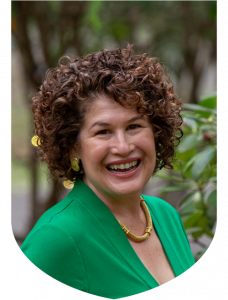 Social and Behavioral Sciences
Aliki Nicolaides
Professor of Adult Learning and Leadership
Mary Frances Early College of Education
Learning, Leadership & Organization Program
Aliki Nicolaides is professor whose research centers on exploring the intra-active dynamics of learning that generate personal and societal transformation. She accomplishes this by focusing her research on the role that learning plays in activating the vital potential that connects self and society.
Her desire for creating tools and scaffolds that grow individual and collective capacity for both inquiry and action is central to her approach to teaching and mentoring the next generation of scholars and leaders of change. Dr. Nicolaides is co-founder of the Generative Learning and Complexity Laboratory (GLCL) that brings together scholars and practitioners of learning and complexity science to reimagine learning and development through the lens of generative knowledge and complexity learning. The results of her scholarship are shaping a new philosophical strand of adult learning which she describes as Generative Knowing: ways of being and becoming that liberate potential creatively. Dr. Nicolaides is a founding steward and current President of the International Transformative Learning Association.
 Professional and Applied Sciences
Janette Hill
Professor of Interdisciplinary Biomedical Sciences
The University of Georgia Medical School Mary Frances Early College of Education
Learning, Design, and Technology Program
Janette Hill is a professor whose research interests focus on learner-centered environments from a social constructivist frame.
Dr. Hill has conducted research and evaluation on millions of dollars in funded projects from local and national organizations, including the National Institutes of Health, the National Science Foundation, local schools in the Athens area, the UGA School of Medicine, AU/UGA Medical Partnership, and private business support. For over a decade, she has concentrated her research in the area of medical education and resilience in formal and informal settings. She serves on multiple interdisciplinary/interinstitutional research teams with faculty and student colleagues across the university.
One of her greatest honors and joys is learning alongside the remarkable students at the University of Georgia. Dr. Hill is honored to have been nominated by the outstanding students and colleagues she has learned with and deeply honored to receive the award.
DEAN’S AWARD FOR OUTSTANDING CONTRIBUTIONS TO GRADUATE EDUCATION
The Dean’s Award for Outstanding Contributions to Graduate Education recognizes excellence in service and advocacy on behalf of graduate students and graduate education at the University of Georgia. Established in 2022, these awards are presented to a Director of Graduate Studies and a Graduate Program Administrator each year.
 Outstanding Director of Graduate Studies
Kerstin Emerson
Professor and Director of Graduate Studies
Department of Gerontology, College of Public Health
Kerstin Gerst Emerson is a clinical professor and serves as the director of graduate studies in the Institute of Gerontology. She holds both a master’s degree and a Ph.D. in gerontology and brings a strong academic background in aging research to her work. Her research focuses on improving the quality of life for older adults, with particular attention to loneliness and and social connection. Dr. Emerson is a passionate and dedicated educator, teaching undergraduate and graduate-level courses across a wide range of aging-related topics, including global aging as well as death, dying, and bereavement.
As director of graduate studies, Emerson oversees the Master of Public Health (MPH) Gerontology concentration, the online Graduate Certificate in Gerontology, and the undergraduate minor in Gerontology. Notably, the online certificate program has seen enrollment growth of over 300% during Dr. Emerson’s leadership. She is deeply committed to mentoring students and creating meaningful learning experiences that challenge assumptions, broaden perspectives, and prepare students for careers working with aging populations. Her investment in students has been recognized as a key contributor to graduate program growth, successful student outcomes, and a high degree of alumni engagement.
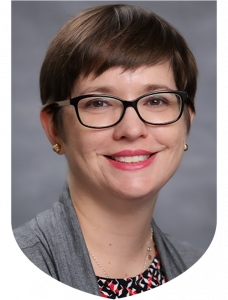 Outstanding Graduate Program Administrator
Kristin Lawrence
Graduate Program Administrator
Department of Public Administration & Policy, School of Public and International Affairs
Kristin Lawrence serves as the graduate program administrator in the Department of Public Administration & Policy, where she oversees graduate admissions and enrolled student services while acting as a liaison between the department and the Graduate School. She is credited with streamlining admissions processes for the graduate programs she manages, resulting in successful recruitment outcomes, as well as providing critical advising support to enrolled students as they progress toward timely degree completion.
Additionally, Lawrence works closely with the Global Leadership and Development Program, supporting government officials from the Republic of Korea as they pursue their Master of Public Administration at the University of Georgia. Her commitment to international collaboration further extends beyond campus; in summer 2025, she had the opportunity to travel to the Republic of Korea to meet with the Korea Development Institute of Public Policy and Management in order to help develop new dual degree programs and partnerships with UGA.
In recognition of her service to students and colleagues, Kristin was awarded one of the School of Public and International Affairs’ Staff Member of Distinction Awards in 2025.


